Home Battery Backup Systems | Storm-Ready Power Solutions by CDN Solar
The Importance of Battery Backup Banks During Storm Season
Canada’s 2025 winter season has already delivered powerful storms, including a recent nor’easter that swept across Atlantic Canada with heavy snow, strong winds, and widespread power outages. Thousands of homes were affected, travel was disrupted, and emergency crews worked around the clock to restore services. As storms grow more unpredictable each year, reliable backup power is becoming essential—not just for comfort, but for safety.

Winter storms continue to cause road closures, fallen trees, and power outages across multiple regions in Canada. Staying prepared is essential as these events become more frequent.
Learn more from The Weather Network’s coverage of recent storm activity affecting Atlantic Canada.
Energy storage solutions—such as lithium batteries and lead carbon batteries—are widely used in solar and backup systems across Canada. Both technologies offer benefits depending on system design, climate, and budget.
Everyday Applications of Lithium & Lead Carbon Backup Batteries
Backup batteries—regardless of chemistry—provide dependable power for essential household needs, especially during grid outages:
- Medical Devices: Keep oxygen concentrators, CPAP machines, refrigerated medication, and other life-essential equipment running.
- Home Offices: Maintain internet, computers, and communication tools during unexpected interruptions.
- Heating & Winter Safety: Power furnace blowers, heat pumps, and backup heaters during freezing conditions.
- Security Systems: Ensure cameras, alarms, and smart locks stay online.
- Off-Grid & Recreational Use: Power cabins, RVs, tiny homes, and remote properties.
- Solar Optimization: Store excess solar energy for nighttime or peak-rate periods.
Lithium (LFP) Battery Characteristics
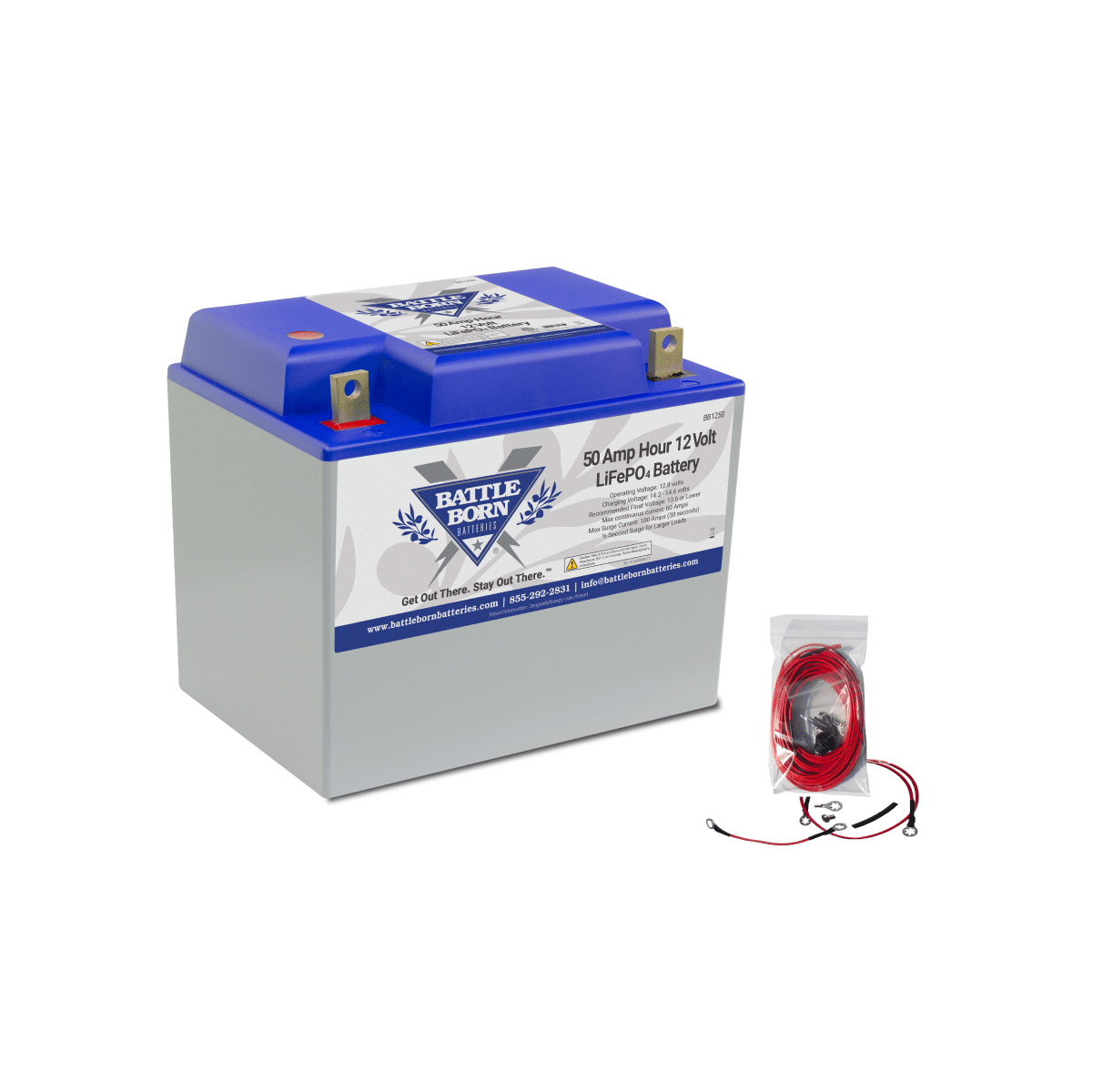
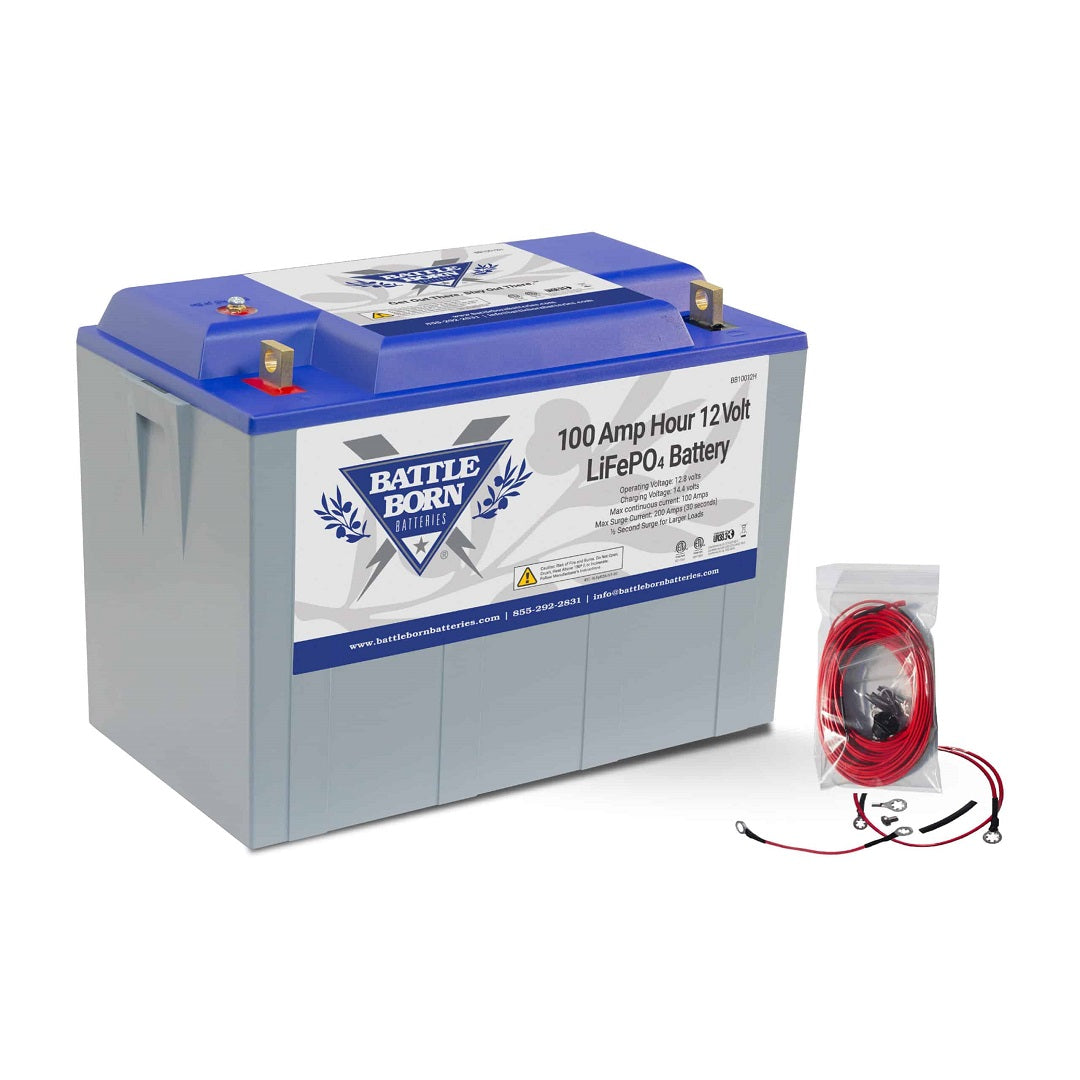
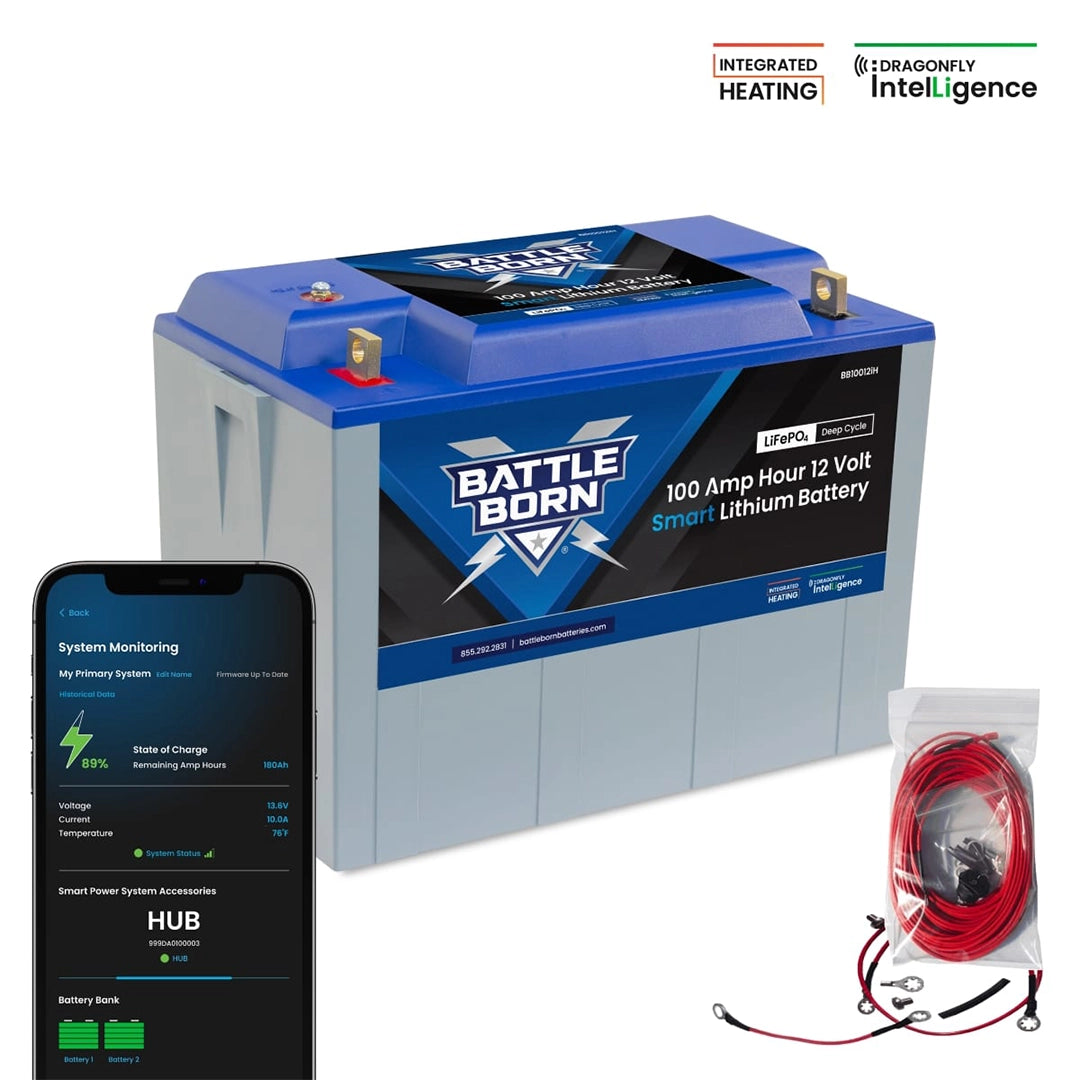
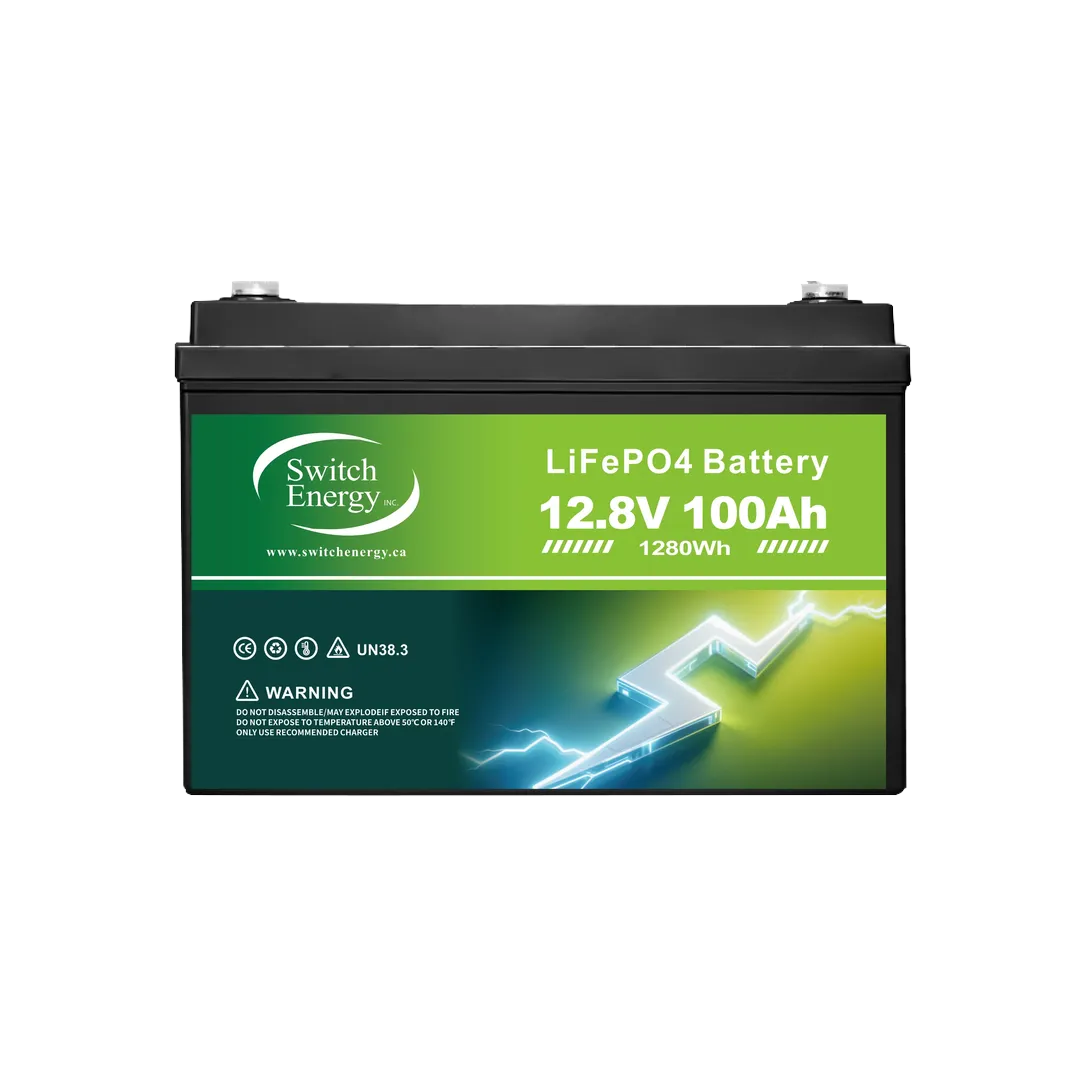
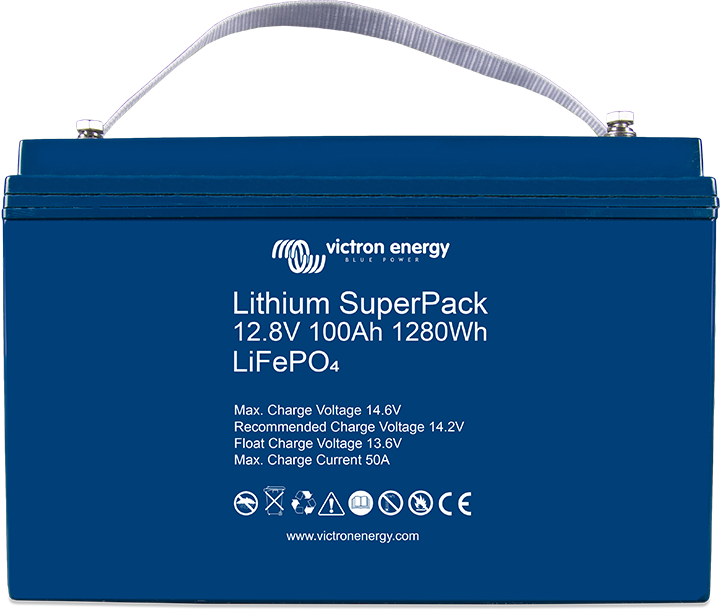
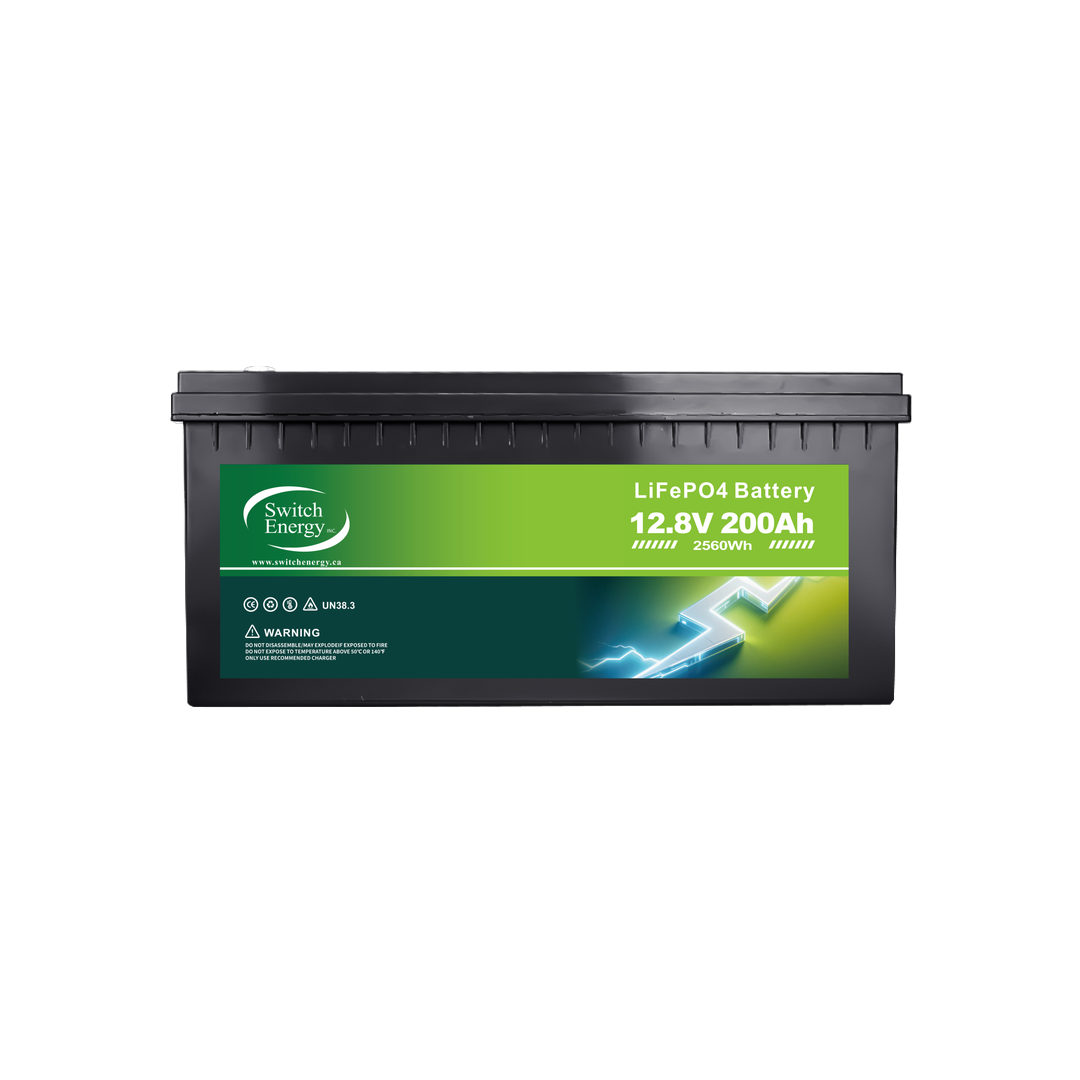
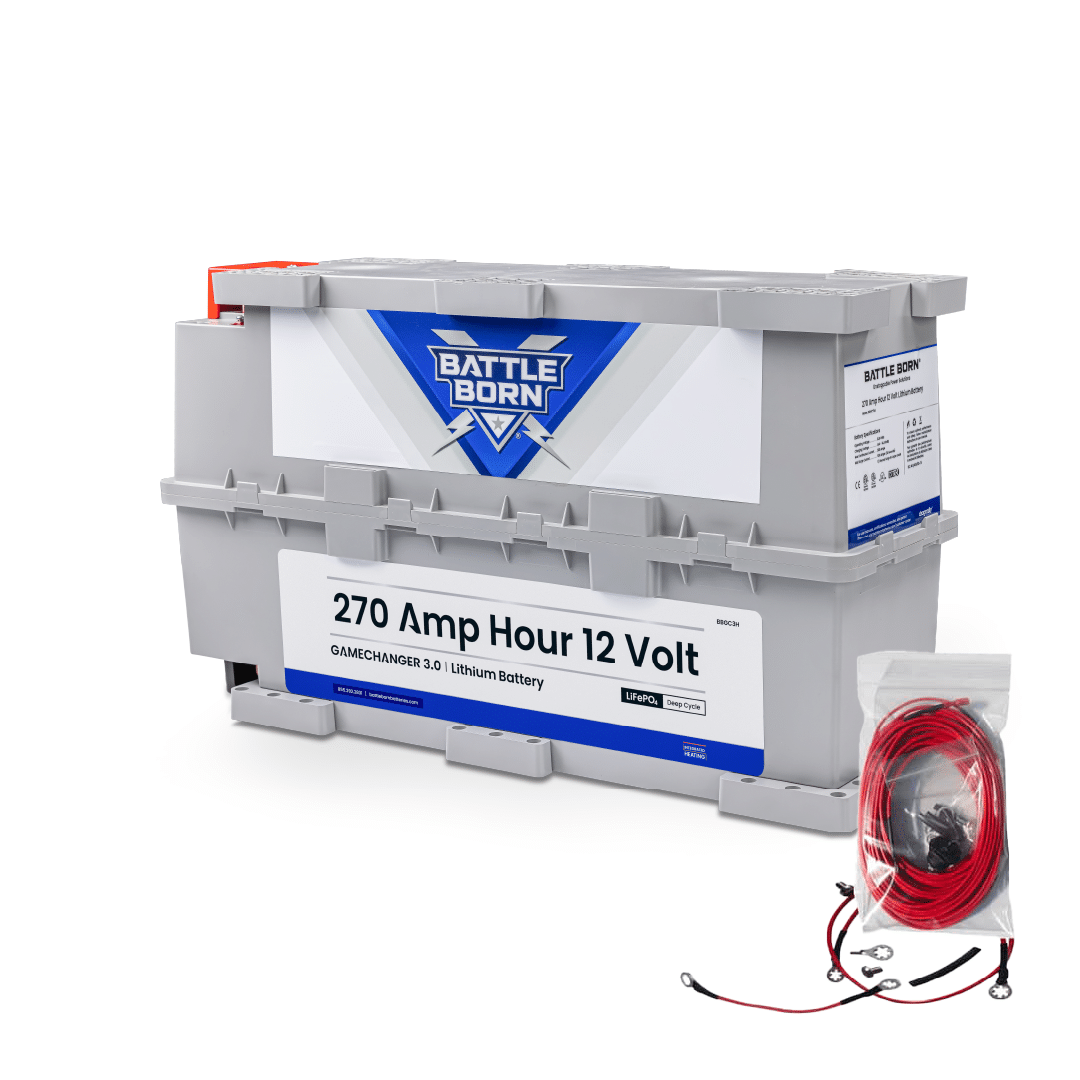
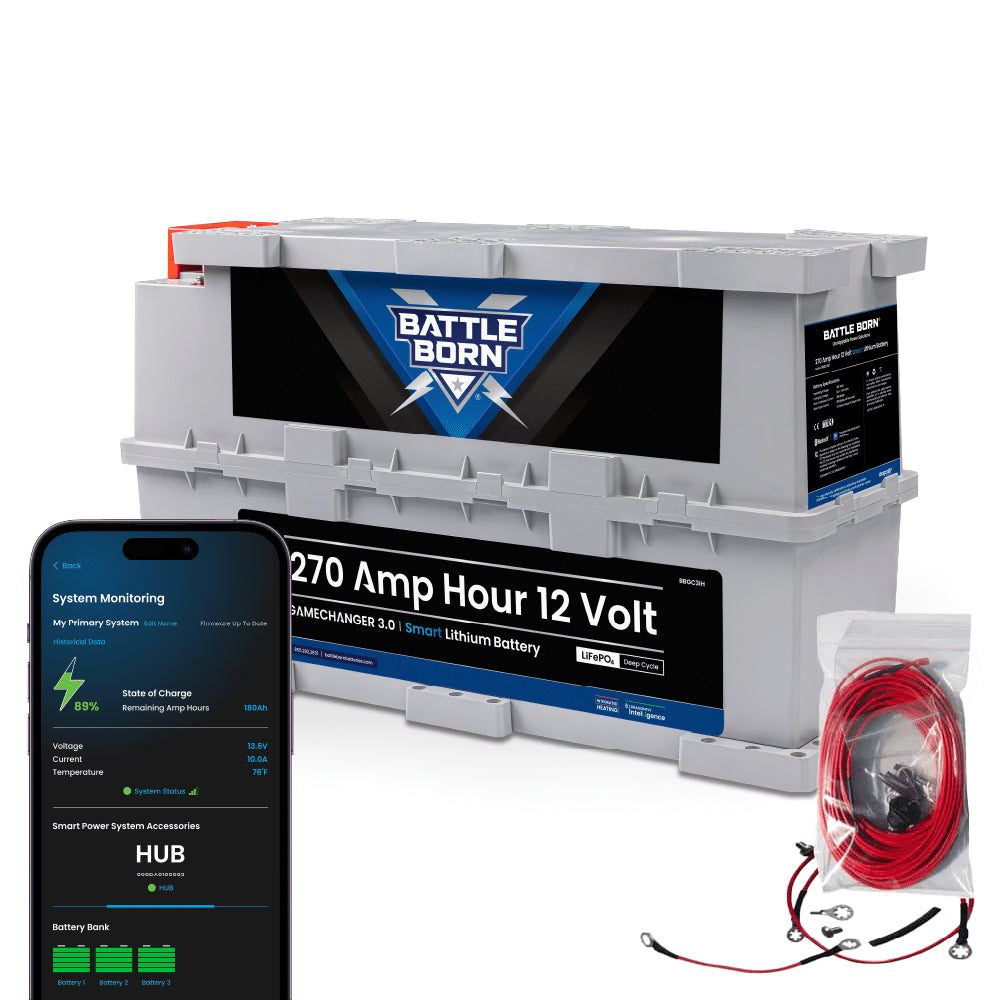
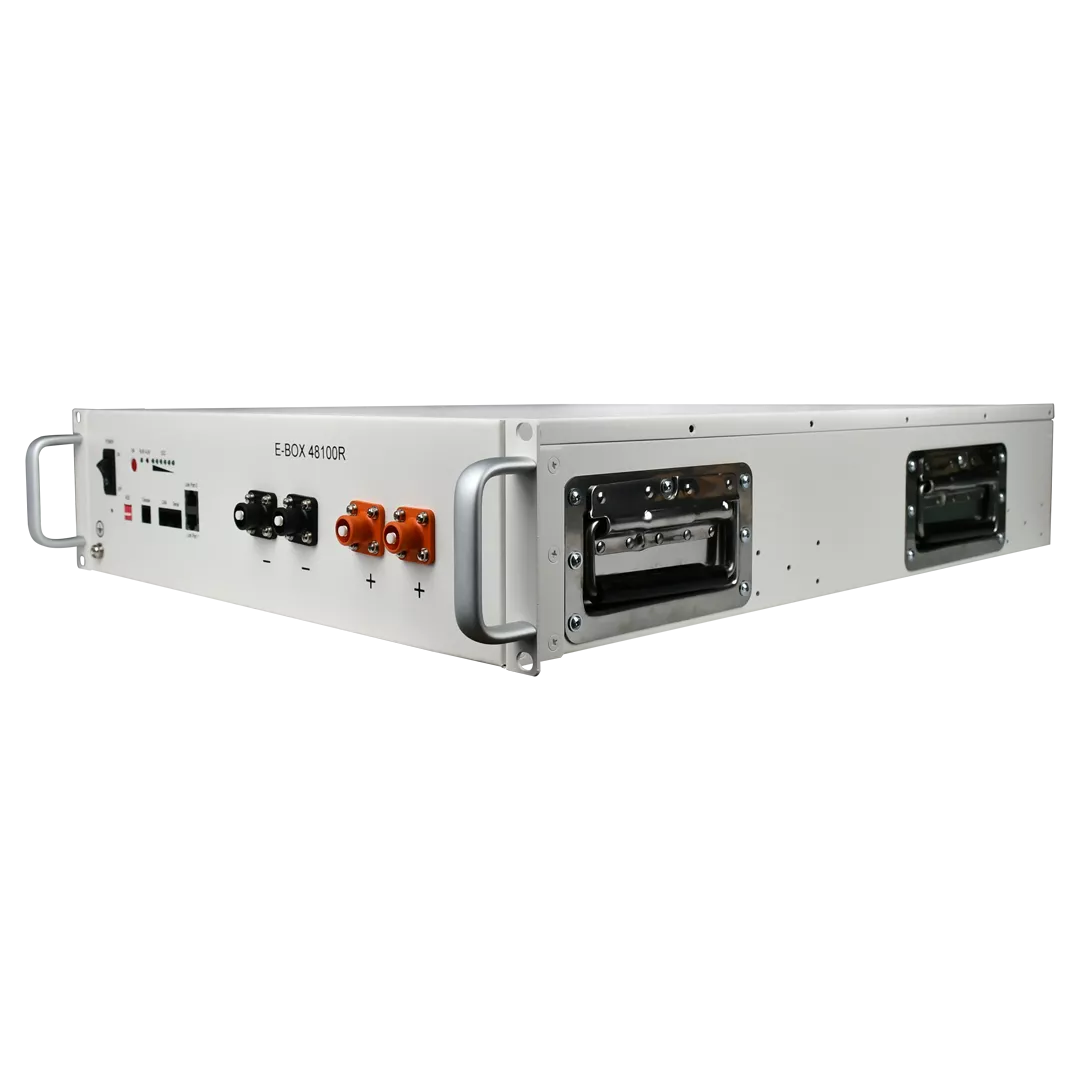
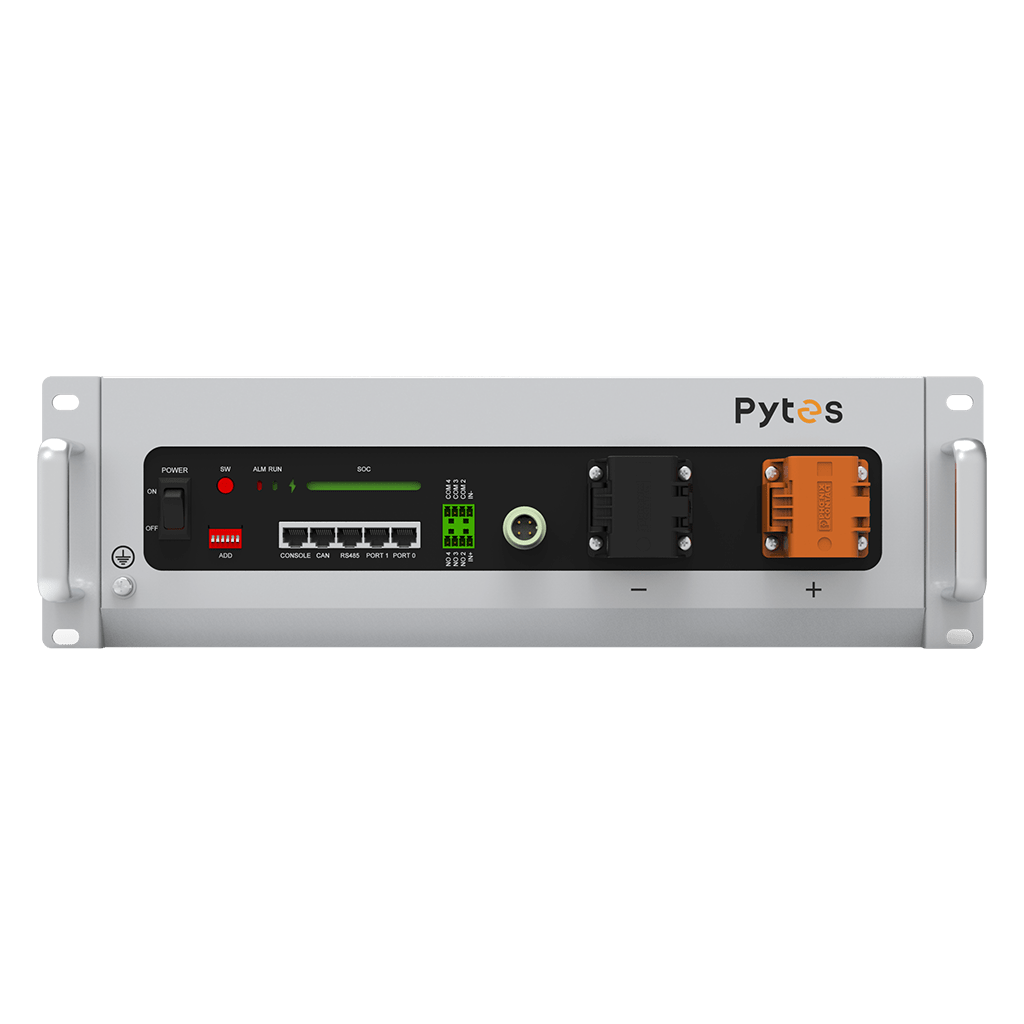
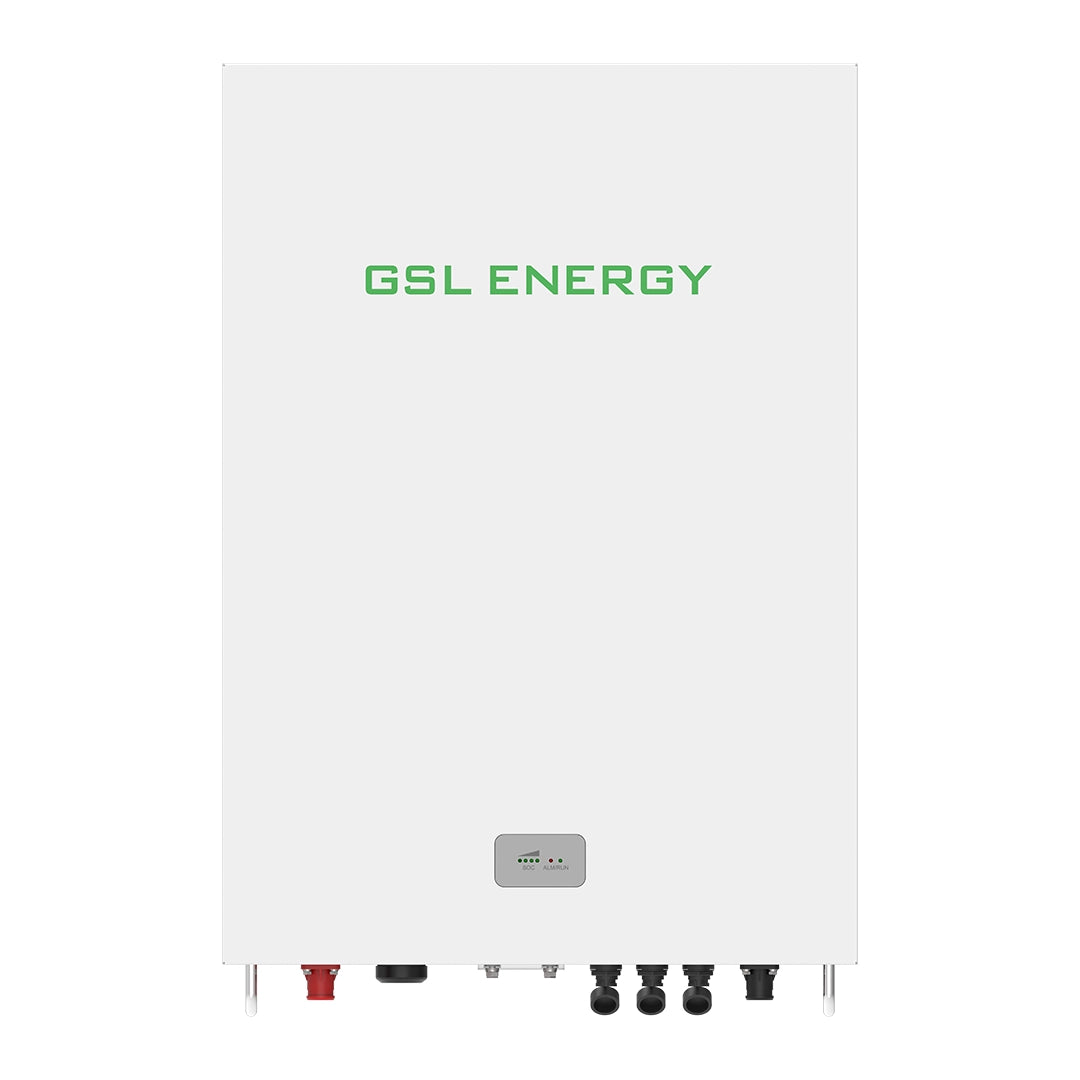
Lithium iron phosphate (LFP) batteries are widely used in home energy storage due to their long cycle life and high usable capacity. Their characteristics make them suitable for many residential and off-grid applications.
- High Usable Capacity: Lithium batteries typically offer a deeper depth of discharge compared to lead-based chemistries.
- Long Cycle Life: LFP systems provide a high number of charge/discharge cycles, supporting long-term daily use.
- Fast Charging: Lithium batteries can accept higher charging rates, which is beneficial for solar systems.
- Lightweight & Compact: Their smaller footprint makes installation easier in homes with limited space.
- Common Use Cases: Whole-home backup, solar self-consumption, off-grid living, and high-demand applications.
Lead Carbon Battery Characteristics
Lead carbon batteries are another energy-storage option used in backup and off-grid systems. Their characteristics make them suitable for specific environments and budget levels.
- Cost Profile: Lead carbon batteries often have a lower initial cost, which can benefit budget-conscious systems.
- Cold Temperature Operation: This chemistry performs reliably in lower temperatures, useful for unheated cabins or seasonal sites.
- Partial State of Charge Tolerance: Lead carbon batteries handle fluctuating solar conditions and partial recharging well.
- Low Maintenance: Compared to traditional lead-acid, lead carbon batteries offer reduced maintenance and improved cycle life.
- Common Use Cases: Seasonal cabins, moderate-duty off-grid systems, and installations where long-duration backup is needed without high continuous power.
Explore our full range of Lithium LFP Batteries and Lead Carbon Batteries.